Trekking Bike for Comfortable and Adventurous Rides in Crete, Rethymno, and Amari
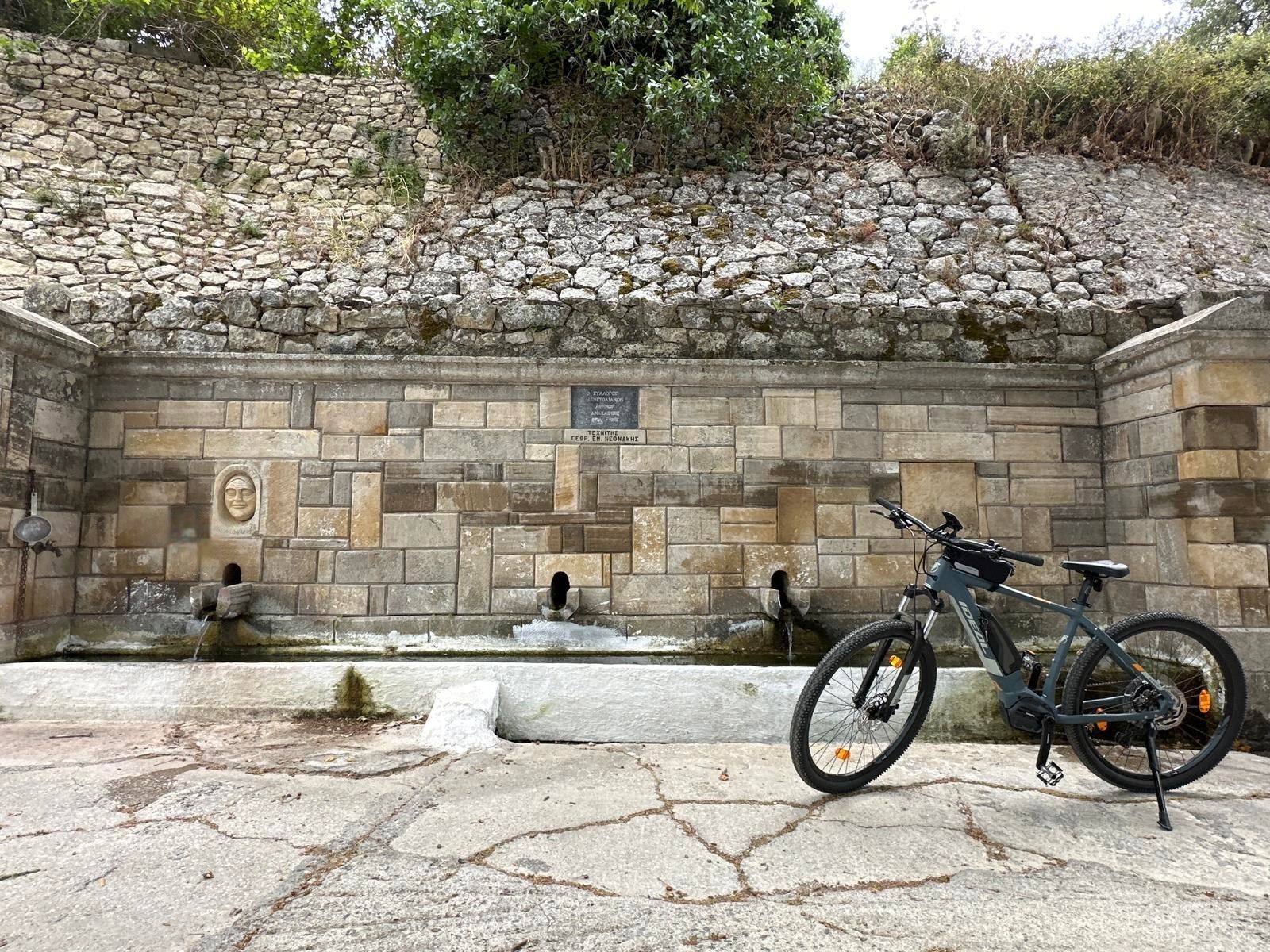
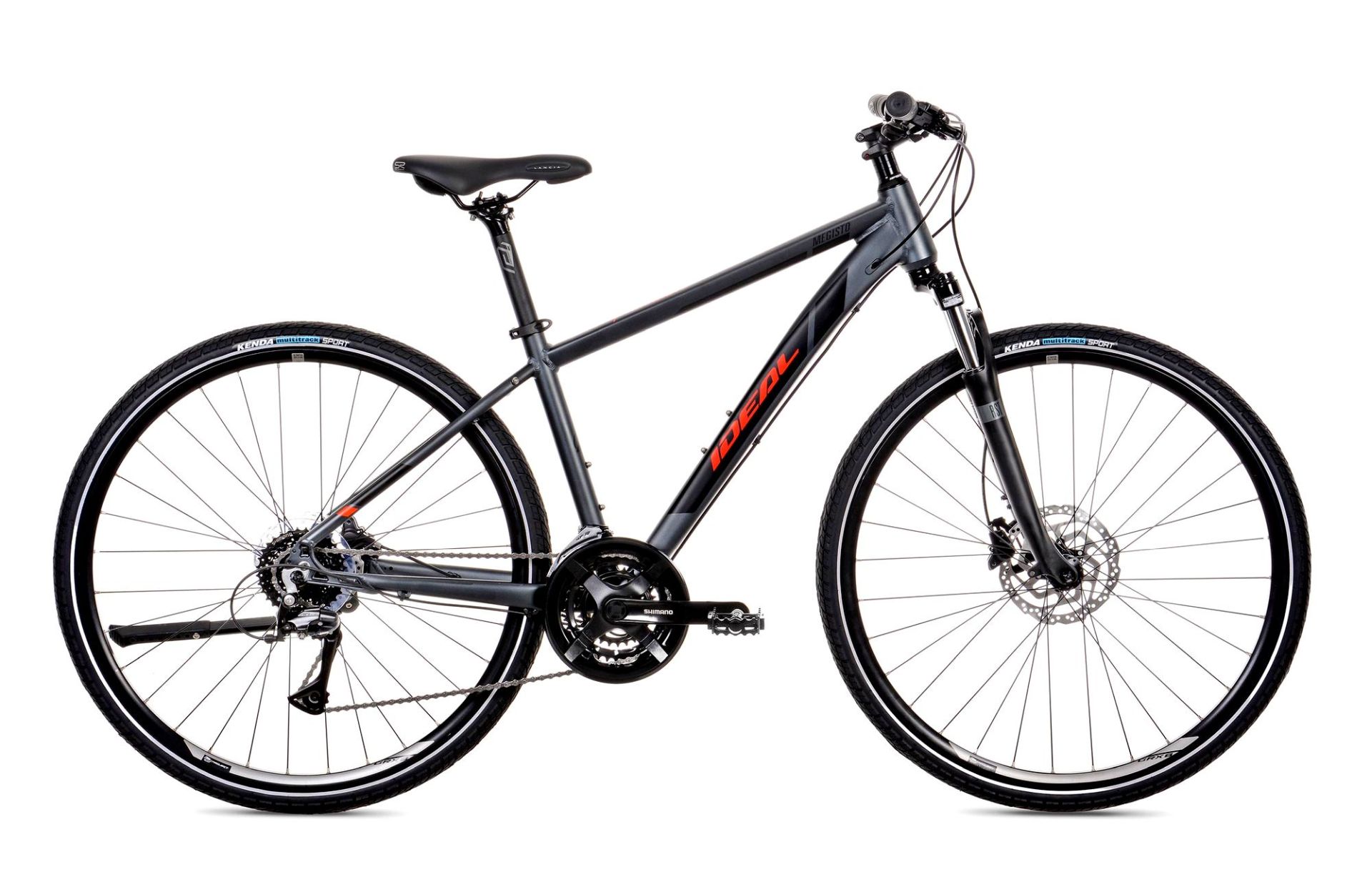
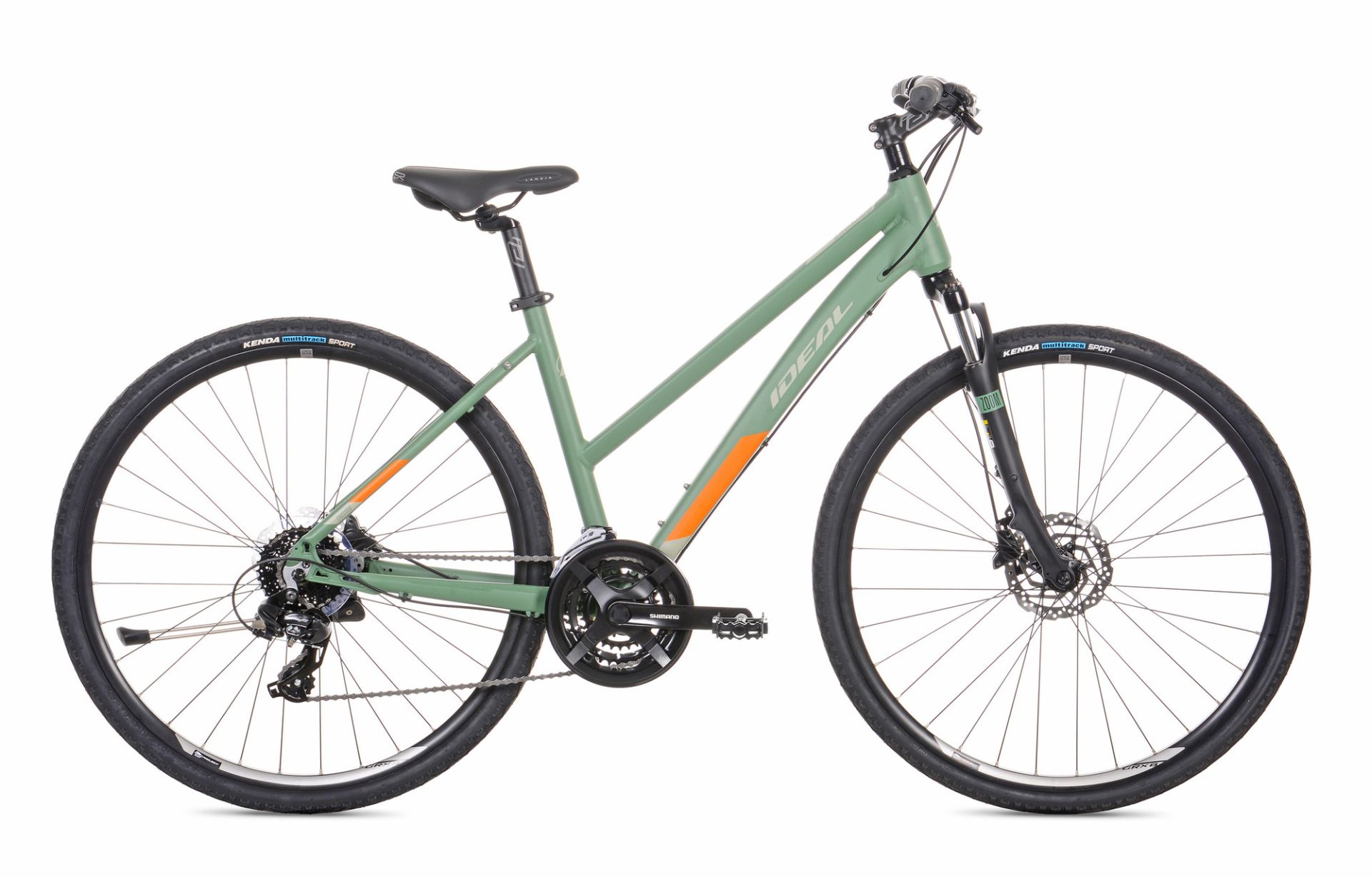
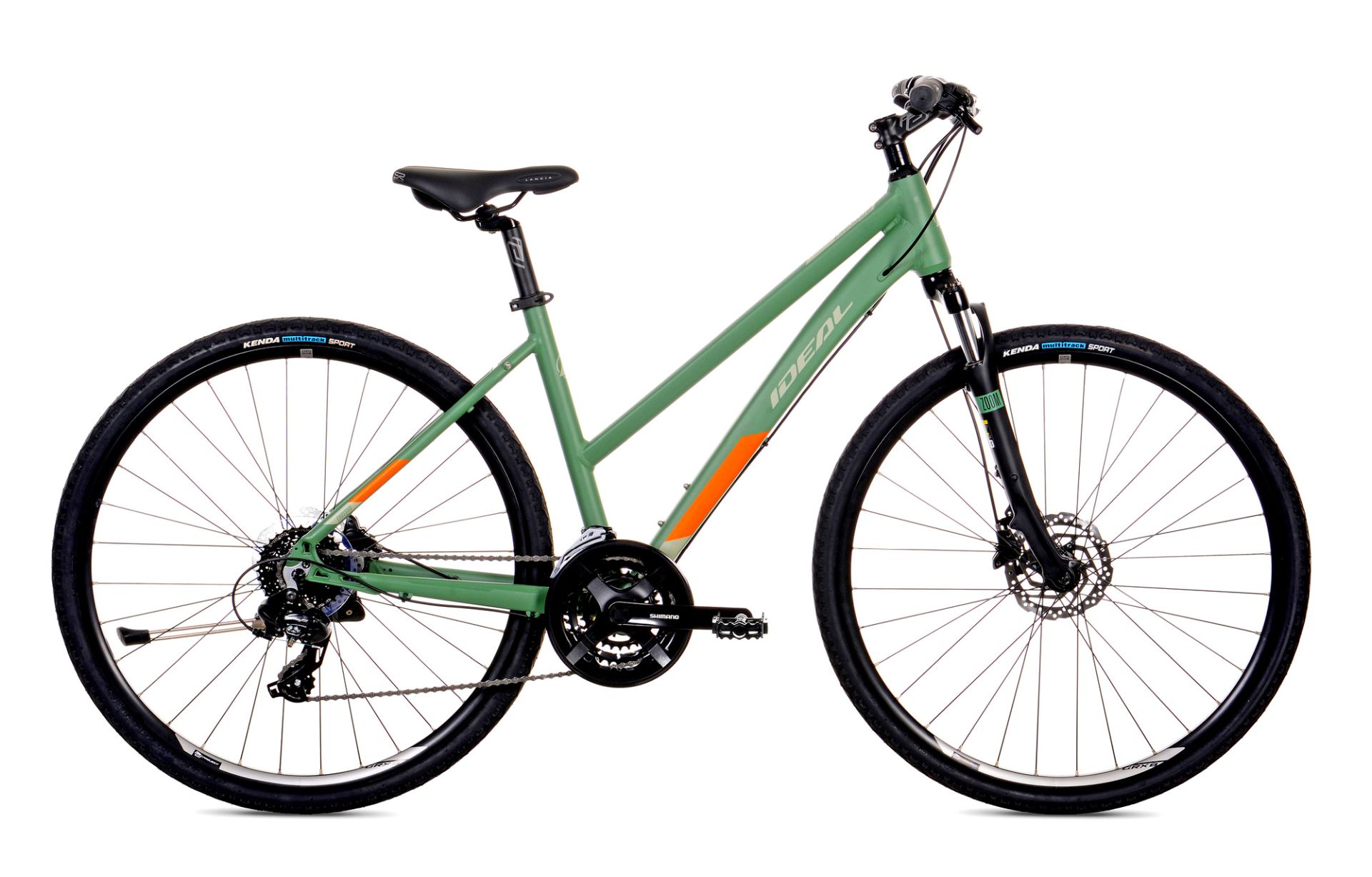
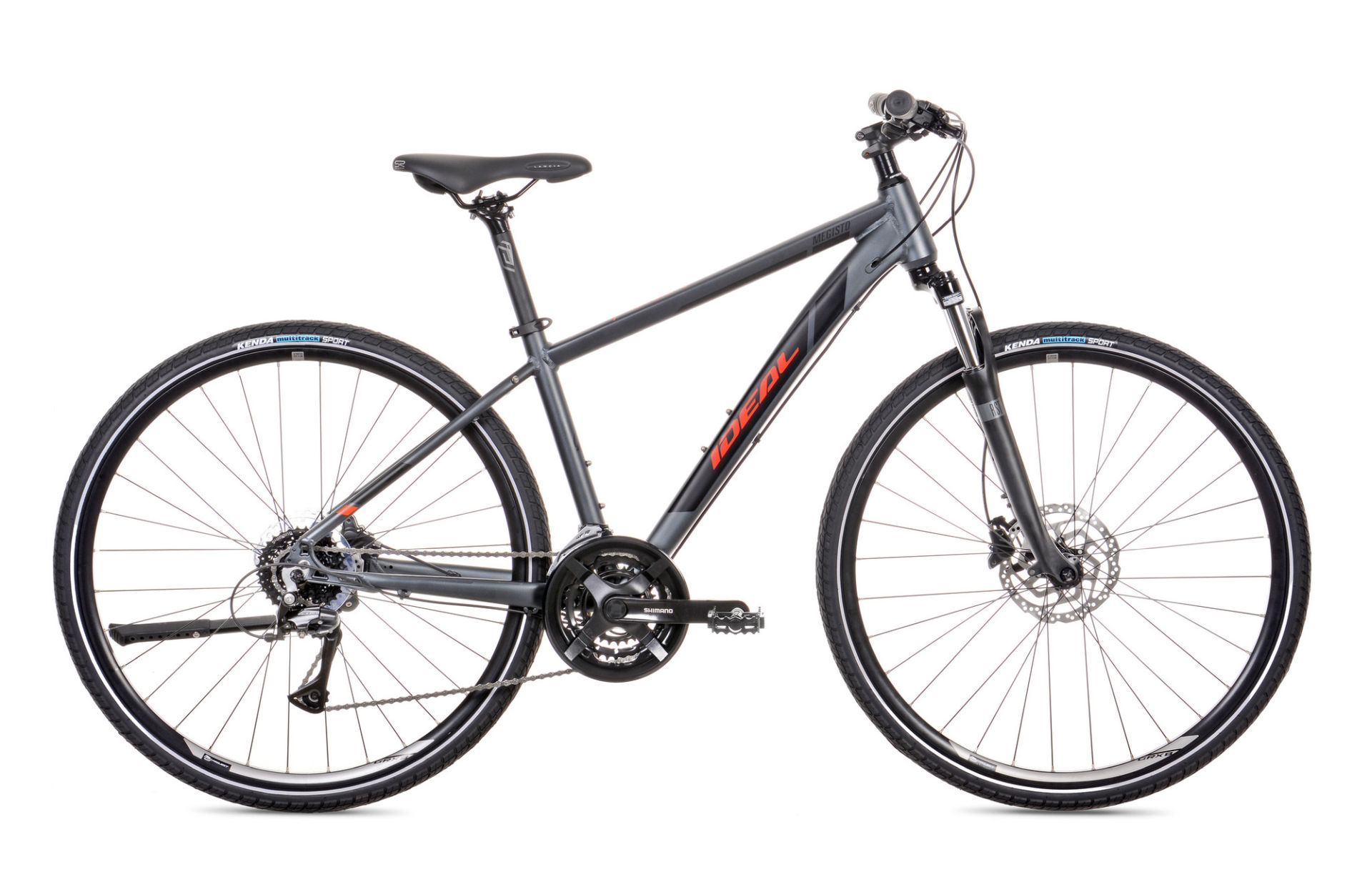
The Ideal Megisto GTS 28” 24SP is a trekking bike that combines comfort in the city with performance on Crete’s dirt roads. Featuring 24 speeds and front suspension with preload and lockout, it offers excellent control and versatility for your rides in Rethymno, Amari, and surrounding areas. The large 28-inch wheels help you travel longer distances with ease and better handle rough terrain such as potholes and stones. The suspension absorbs shocks, providing a more comfortable and smooth ride whether you’re navigating city streets or exploring the trails of Amari. Whether for daily use or adventurous trekking routes, the Ideal Megisto GTS is the perfect choice for cycling in Crete.
The size of the bicycle must be in accordance with the body’s proportions (height, leg length, etc.) so that the body is not strained and exercises properly.
Frame sizes
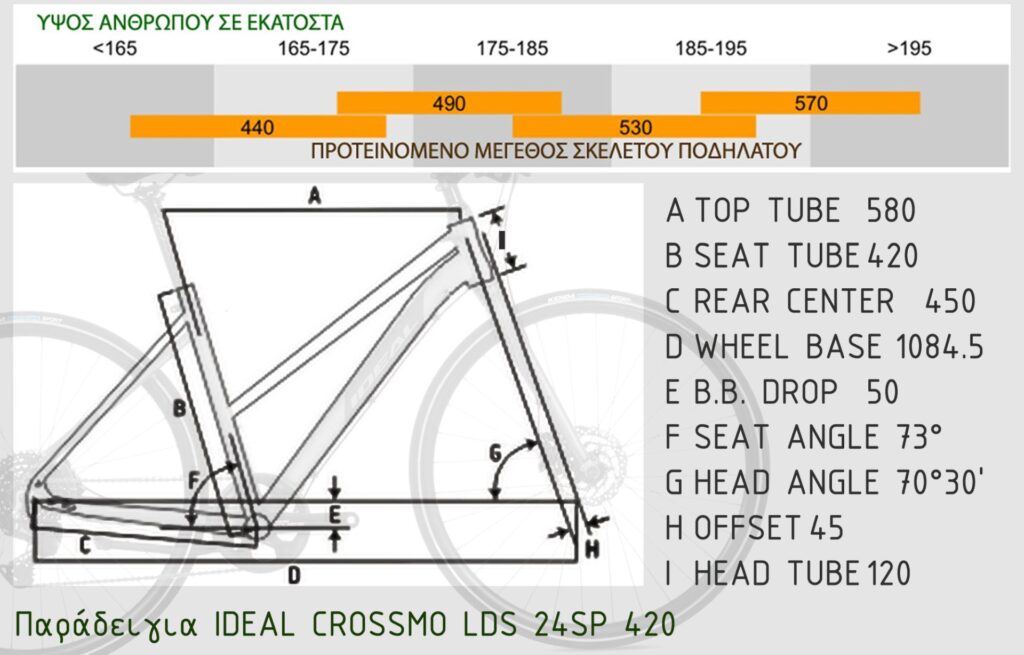
The diagram correlates a person’s height with appropriate frame sizes. In our store, sizes small, medium and large are available. (We indicate the size on each bike)
Frame size / Ideal crossmo 420
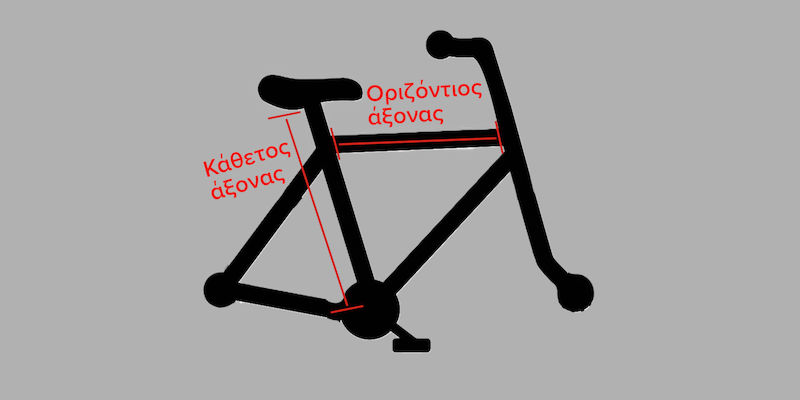
The size of the bicycle (420,480,530 etc.) is determined by the parameter [B] which is the length of the axle on which the saddle rests.
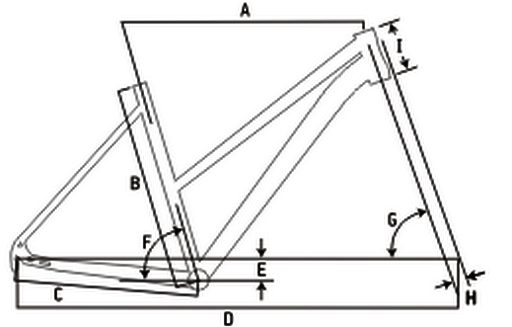
Explanations for the diagram (Applies to Crossmo LDS 420)
A
TOP TUBE
580
B
SEAT TUBE
420
C
REAR CENTER
450
D
WHEEL BASE
1084.5
E
BB DROP
50
F
SEAT ANGLE
73°
G
HEAD ANGLE
70°30′
H
OFFSET
45
I
HEAD TUBE
120
It’s important to choose the right size for a comfortable ride and to avoid straining your body. Let’s look at some ways you can calculate it.
Inseam measurement
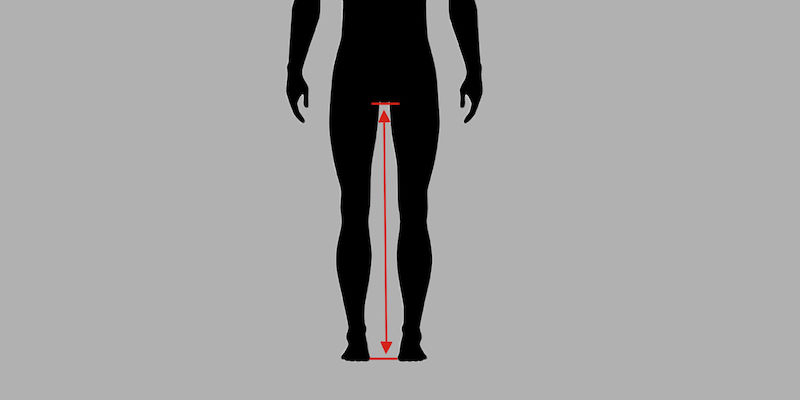
First we need to measure the height of the crotch. Think of it like going to get a custom-made suit made. The steps are very simple.
First you have to stand barefoot in front of a wall.
Open the aprons slightly, so that they are equal to the opening of the pelvis.
Measure the distance from the floor to your crotch.
That’s it! Now you know your crotch height and how to choose a bike and a suit!
Bicycle Frame Size Selection
The size of the bicycle frame is largely related to the length of the axle on which the saddle rests.
The vertical axis that supports the saddle needs to be 65% of the crotch height we measured earlier. For example, if your crotch height is 1 meter then the length of the axis should be around 65 centimeters.
The rule of thumb is to be able to stand with your toes on the bike when you are sitting on the saddle. Don’t forget that the saddle is adjustable and you can raise it if needed!
Tip : It is best to have the bicycle saddle tilted slightly forward (1° – 2°) to be more comfortable and avoid numbness.
Also, the length of the horizontal axis that connects the saddle to the handlebars is important , as it contributes to proper posture and better weight distribution.
Unfortunately, for this axis there is no mathematical equation that gives us the perfect solution, but mainly empirical rules.
Rule 1: While riding a bicycle and having our hands on the handlebars, our visual contact with the front wheel should be “interrupted” by the handlebars.
Rule 2: When our hands are on the handlebars, our elbows should be bent at 60° – 70° and approximately 5 cm from our knees when they reach maximum height while we are cycling.
Tip: If you prefer to be more upright or more hunched over, there are various bicycle handlebars you can install to achieve the desired position.
Choosing a bicycle handlebar size
Bicycle handlebars come in a variety of widths. Most cyclists choose handlebars that are as wide as the distance between their shoulders . A wider handlebar opens up the chest and makes it easier to breathe and exert force, but it is less aerodynamic. The choice depends on what you are using the bike for and what is comfortable for you.
Crank size selection
The crankset is the disc that controls the chain, therefore the movement of the wheels, and has the pedal integrated. The choice of crankset size also depends on your cycling style. Larger cranksets allow you to exert more force at a low speed, which is particularly useful in cases of uphill terrain. On the contrary, if you usually cycle at high speeds, it is preferable to choose something smaller. Due to the above, mountain bikes are usually equipped with larger cranksets than road bikes.
Select bike type
In order to decide on the type of bike that best suits you, you should ask yourself where you like to ride (e.g. city or mountain), take into account your riding style (e.g. high-speed or more conservative riding) and the needs you want to cover with your bike (e.g. daily commute to work or going on excursions). These factors are crucial so that you end up with a bike that will represent you. For this reason, let’s look at the main categories of bikes and their main features.
Mountain
Mountain bikes are made for off-road cycling. For this reason, they have increased resistance to stress compared to other bicycles. Their tires are usually quite wide and have knobs for better traction on uneven terrain. They usually have front suspension and, depending on their individual models, they also have rear suspension.
Racing
Racing bikes are built to reach higher speeds than other types of bikes. Due to this characteristic, they have an aerodynamic design, a hunched riding position, and are characterized by particularly high stiffness in order to minimize losses.
City
City bikes, as their name suggests, are designed to facilitate comfortable and practical transportation within cities. They usually have mudguards, a basket, a chain guard and warning lights. Several models are foldable to make them easier for the rider to transport, especially when using public transport.
Trekking
Trekking bikes are a hybrid type of bicycle and aim to bridge the gap between city and mountain bikes. Their geometry is derived from mountain bikes, but their horizontal axis is shorter so that the rider has a more upright riding position and therefore enjoys a more relaxed riding experience. Several trekking models have space for carrying things or the infrastructure to accept the installation of a basket, chain guard and warning light. They differ from city bikes in terms of their gear system. City bikes have 3, 7 or 8 speeds (in rare cases) while trekking bikes have 21 speeds at least. They are heavier than city bikes while they are suitable for paved dirt roads.
BMX
The term BMX is used to describe bicycles suitable for off-road racing on dirt tracks and for demonstration on asphalt roads, parks and squares. BMX bicycles intended for racing are made of lighter materials such as titanium and aluminum. They are usually smaller than the rest and do not have remarkable resistance to excessive jumps. BMX bicycles intended for demonstration competitions are usually made of materials that provide them with greater resistance such as steel.